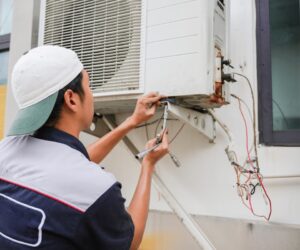
Signs Your AC Won’t Survive Peak Summer
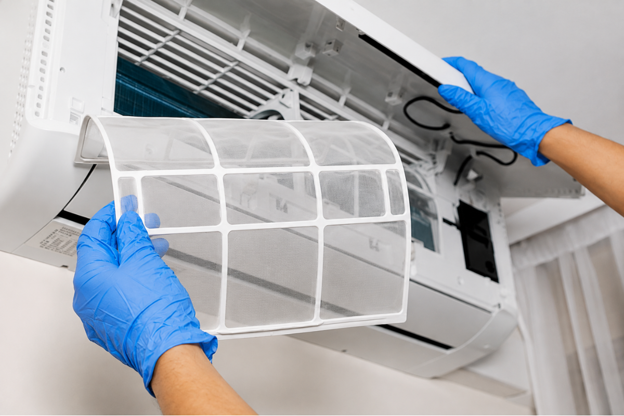
Peak summer puts more strain on an air conditioner than any other stretch of the year. A unit that ran without complaint through spring can start failing once outdoor temperatures climb, and the system is asked to run for hours without a break. The following covers the warning signs that indicate an AC unit may not hold up through the hottest weeks of the season, why those signs tend to appear now rather than earlier in the year, and how AC maintenance services can catch a failing system before it stops working altogether. The checklist below reflects the kind of inspection routine used by providers such as Moltocare, a Dubai-based AC maintenance and duct cleaning company.
Why Peak Summer Is the Hardest Test for an AC System
During peak summer, an air conditioner rarely gets the chance to cycle off and rest. It runs for extended stretches to offset heat entering the home or building, and components under that kind of continuous load wear down faster than they would during milder months. Dust, debris, and minor issues that built up gradually over the year start restricting performance right when the system needs to work hardest. This is why many of the signs below tend to surface specifically once summer heat peaks, even in units that appeared to be running normally earlier in the year.
Warning Signs an AC Unit May Not Survive the Season
Some warning signs are easy to notice. Others build up quietly until the unit stops working altogether. The signs below are the most common indicators that a system is struggling to keep up with summer demand.
- Weak or inconsistent airflow. Air from the vents feels weaker than usual or varies from room to room. This often points to a clogged filter, a blocked duct, or a failing blower motor.
- Warm air instead of cool air. The system runs, but the air is not as cold as expected. This can mean low refrigerant, a failing compressor, or a dirty condenser coil that cannot release heat properly.
- Unusual noises during operation. Grinding, squealing, rattling, or banging sounds usually indicate loose or worn mechanical parts, and these tend to get louder as the unit works harder in high heat.
- A sudden rise in electricity bills. When a unit has to run longer and work harder to reach the same temperature, energy use rises even if habits have not changed.
- Frequent short cycling. The system turns on and off repeatedly instead of completing a full cooling cycle. This puts extra strain on the compressor and shortens the unit’s remaining lifespan.
- Ice forming on the coils or refrigerant lines. Ice buildup usually signals restricted airflow or low refrigerant, and it tends to worsen the longer the unit runs in high temperatures.
- Water pooling near the indoor unit. A blocked or cracked condensate drain line lets water back up instead of draining away, and this becomes more noticeable as humidity and cooling demand increase.
- Musty or burning smells. A musty odor usually points to mold or mildew inside the system. A burning smell can indicate an electrical issue that needs immediate attention.
- The unit is more than ten to twelve years old. Older systems lose efficiency over time, and the components most likely to fail under summer heat are often the ones that have been running the longest.
What Happens When These Signs Are Ignored
Continuing to run a unit that already shows signs of strain rarely resolves the underlying issue on its own. A small problem, such as a dirty coil or a slightly low refrigerant charge, tends to get worse the longer it is left unaddressed. The system compensates by running longer and harder, placing extra load on parts that were never built to handle it, and the eventual failure often costs more to repair than an earlier fix would have. In many cases, a full breakdown happens during the hottest days of the year, which is also when repair technicians are hardest to book and demand for AC maintenance services is at its highest.
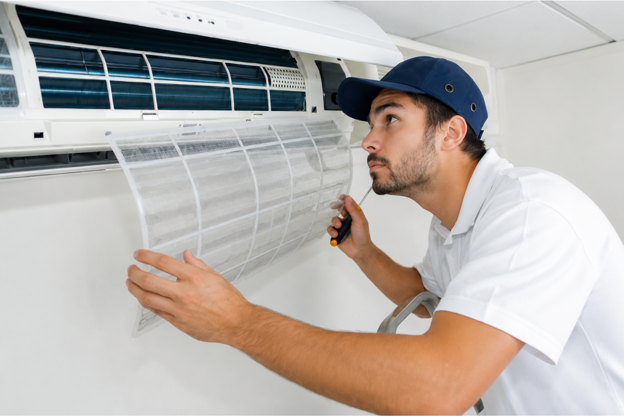
How AC Maintenance Services Help an AC Survive Summer
A trained technician, such as those on Moltocare’s team, can catch most of the warning signs described above before they develop into a full system failure. Routine AC maintenance services typically include:
- Cleaning or replacing air filters
- Checking refrigerant levels and topping up if needed
- Inspecting and cleaning the evaporator and condenser coils
- Testing electrical connections and components
- Clearing the condensate drain line
- Lubricating moving parts and checking the motor and compressor for early signs of wear
Each of these tasks addresses one of the warning signs listed earlier. A technician who cleans a coil and checks refrigerant levels during a routine visit is directly addressing the conditions that lead to warm air, ice buildup, and rising electricity bills once summer heat sets in.
Conclusion
An air conditioner that shows warning signs before or during peak summer is telling its owner something important. It is under strain and may not make it through the season without help. Weak airflow, warm air, unusual noises, rising bills, and ice buildup are not signs to wait out. Addressing them early, with a professional inspection and by arranging AC maintenance services before demand peaks, is what actually determines whether a unit keeps running through the hottest part of the year or fails when it is needed most. Working with an established provider such as Moltocare, who offers AC maintenance and duct cleaning services for residential and commercial properties in Dubai, makes it easier to catch these signs before they turn into a full breakdown. A pre-summer inspection from our team can confirm whether a unit is ready for peak heat or needs attention before it fails. Contact us at +971 4 88 10 811 to schedule a visit.